
FactSet Research System
A contrarian investment case in the financial market data provider

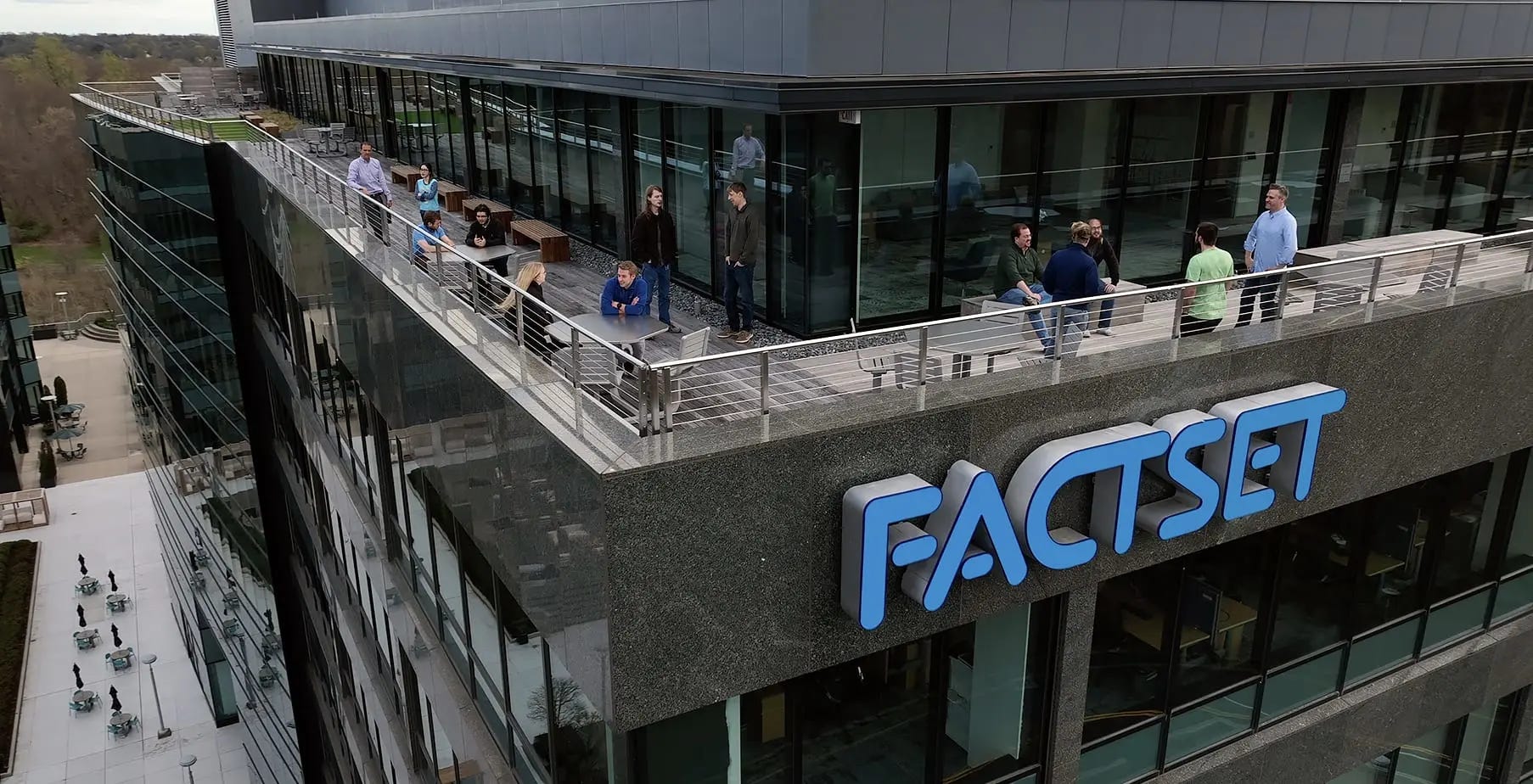
FactSet Research Systems, a financial data platform for asset managers and investment researchers, has seen its shares decline by 41% year-to-date. According to the FT, of the 19 analysts, not one single analyst recommends a buy, and two other analysts dropped coverage in the past year.
In summary, its future looks very bleak, and the concerns are quite clear:
Artificial Intelligence threat: There’s a potential risk that some capabilities will be replaced by cheaper AI tools like Gemini and ChatGPT, leaving FactSet with much less value-add for customers.
Limited near-term growth: Over the past 5, 10 and 20 years, FactSet Research has historically grown its net income by 11% annually. However, for FY 2026, FactSet guided a 5% growth, well below its long-term growth trajectory.
Management changes: After 29 years in FactSet and 10 years as the CEO, Phil Snow stepped down, with a first outsider, Sanoke Viswanathan from J.P. Morgan, taking over as the new CEO.
Limited pricing power: Ten years ago, FactSet earned $16,200 per user. Today, it’s averaging $9,800 per user, well below the estimated figures of its larger peers like Bloomberg and S&P Market Intelligence.
Aggressive M&A competitors: The past few years has seen lots of industry consolidation. S&P/IHS Market, Morningstar/Pitchbook, LSE/Refinitiv and Blackrock/Preqin. A more consolidated competitive landscape adds pressure on both FactSet’s pricing power and potential volume growth.
Slowing growth in core customers: FactSet excels among its private equity, investment banking and to a smaller extent, sell-side investment banking customers, with a focus on equities, deals research and portfolio analytics solutions. However, data across customers shows tepid employee growth, especially among graduate and new analyst hires, directly impacting FactSet’s growth potential.
Market cap (As of 10th December 2025): $10.7 billion